

Understanding Credit: The Backbone of Modern Financial Systems

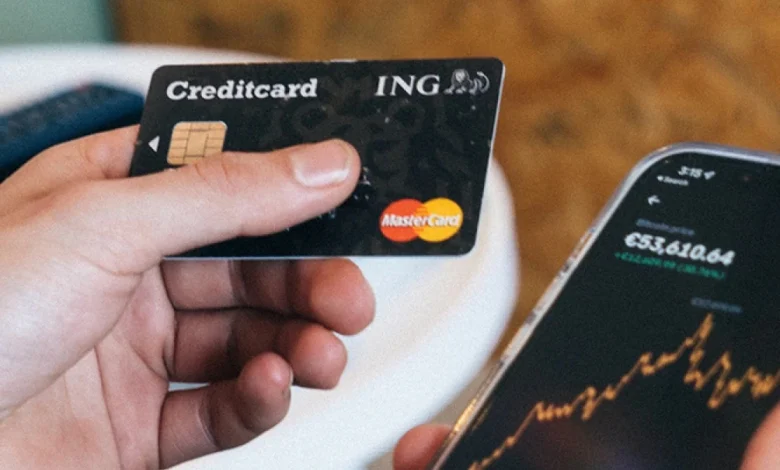
In the modern world, credit is the lifeblood of economic activity. Whether it’s securing a mortgage for a home, financing a business venture, or simply using a credit card to make a purchase, credit enables individuals and organizations to access funds that might otherwise be out of reach. But credit is more than just borrowing money—it is a complex financial instrument with far-reaching consequences for personal finance, businesses, and entire economies. This article will explore the nature of credit, how it works, its types, and its significance in both personal and business finance.
Defining Credit: A Simple Concept with Profound Implications
At its core, credit is the ability to borrow money or access goods and services with the promise to pay for them later. It’s a system built on trust—lenders extend credit based on their belief that borrowers will repay them in the future. This system relies on a variety of factors, such as a borrower’s creditworthiness, the interest rate attached to the borrowed amount, and the terms of repayment.
The origins of credit stretch back thousands of years, but in the contemporary world, credit is a central feature of financial systems globally. It has been instrumental in driving growth, enabling consumer spending, fostering entrepreneurship, and allowing governments to finance initiatives without immediately draining their coffers. However, despite its vital role, credit is often misunderstood and mismanaged, leading to debt accumulation and financial instability.
The Mechanics of Credit
Credit operates on a system of borrowing and repaying, typically with an interest charge attached to the principal loan amount. When someone borrows money, they usually agree to pay it back within a certain timeframe, often in installments. Interest, the fee for borrowing the money, is calculated as a percentage of the principal and is added to the amount that needs to be repaid. This interest rate can be fixed (remaining constant over time) or variable (changing based on market conditions).
Lenders evaluate creditworthiness before extending credit. This assessment is typically based on a variety of factors, including the borrower’s credit score, income level, employment history, and existing debt obligations. The higher the creditworthiness, the more likely the borrower is to be approved for credit, and the more favorable the terms of the credit arrangement are likely to be.
Types of Credit
Credit comes in many forms, each serving different purposes and catering to different needs. Broadly speaking, credit can be divided into several categories, including:
1. Revolving Credit
Revolving credit allows borrowers to access a credit line up to a certain limit, and repay the borrowed amount in full or in part over time. The most common example of revolving credit is a credit card. With a credit card, a borrower has a set limit (e.g., $5,000), and they can borrow and repay as needed, within that limit. The key feature of revolving credit is that, once the balance is repaid, it can be borrowed again, often subject to an interest charge on the outstanding amount.
2. Installment Credit
Installment credit involves borrowing a lump sum of money and repaying it in equal installments over a specified period. This type of credit is often used for larger purchases, such as car loans, student loans, or mortgages. The amount to be repaid typically includes both principal and interest, and the loan term (such as 36 months or 5 years) is fixed.
3. Open Credit
Open credit is similar to revolving credit but usually requires the borrower to pay off the balance in full each month. A common example of open credit is a charge card. Unlike credit cards, which allow for the carrying of a balance with interest, charge cards require the full balance to be paid by the due date, with no interest charges but often with penalties for late payments.
4. Secured Credit
Secured credit is credit that is backed by collateral. A common example is a mortgage or car loan, where the lender can claim the property (house or car) if the borrower defaults on the loan. Because secured loans are less risky for lenders, they often come with lower interest rates compared to unsecured credit.
5. Unsecured Credit
Unsecured credit, on the other hand, is not backed by any form of collateral. Credit cards and personal loans are prime examples of unsecured credit. Lenders rely on the borrower’s creditworthiness to determine whether to grant credit and under what terms. Because there is no collateral involved, unsecured loans typically carry higher interest rates to compensate for the greater risk to the lender.
The Role of Credit in Personal Finance
Credit plays an undeniably crucial role in personal finance. It provides individuals with the ability to make purchases or investments they may not otherwise be able to afford. Mortgages allow families to buy homes, while student loans enable individuals to access higher education. Credit cards offer flexibility and convenience, allowing people to pay for goods and services over time.
However, the misuse or overreliance on credit can lead to financial distress. When credit is not managed properly, it can result in mounting debt, high interest payments, and a deteriorating credit score. A low credit score can make it difficult to secure favorable terms for future borrowing, trapping individuals in a cycle of debt. Therefore, understanding the responsible use of credit is essential for maintaining financial health.
Credit and Its Impact on Businesses
Credit is equally important for businesses, large and small. For startups, credit can provide the necessary capital to launch operations, develop products, and cover operational costs. Established businesses often use credit to fund expansion, purchase inventory, or weather temporary cash flow shortages. Business loans, lines of credit, and trade credit (which allows businesses to purchase goods and services on credit from suppliers) are all examples of how credit facilitates business operations.
Importantly, access to credit is often linked to a company’s financial performance and creditworthiness. Just as individuals rely on personal credit scores, businesses have credit ratings that assess their ability to repay debt. A strong credit rating enables businesses to secure financing at more favorable terms, thereby fostering growth and long-term success.
The Importance of Credit Scores
A central component of the credit system is the credit score, a numerical representation of a borrower’s creditworthiness. This score, typically ranging from 300 to 850, is based on factors such as payment history, amounts owed, length of credit history, types of credit used, and recent credit inquiries. Lenders rely on these scores to determine whether to extend credit and under what terms.
For individuals and businesses alike, maintaining a high credit score is crucial for accessing affordable credit. A low score can result in higher interest rates or even denial of credit altogether. On the other hand, a high credit score can unlock better opportunities for borrowing, with lower interest rates and more favorable repayment terms.
Credit and Economic Growth
At a macroeconomic level, credit is vital for the health of the global economy. By enabling businesses and consumers to borrow, spend, and invest, credit drives demand for goods and services, stimulates innovation, and supports job creation. Governments also rely on credit to finance public initiatives, ranging from infrastructure projects to social programs.
However, excessive credit can lead to systemic risks. The 2008 financial crisis, for example, was triggered by a collapse in the housing market, which was fueled by easy access to credit and lax lending standards. When borrowers defaulted on their loans, it caused a domino effect that rippled through the global financial system. This underscores the need for sound regulation and prudent lending practices to ensure that credit serves its intended purpose without leading to financial instability.
Conclusion
In conclusion, credit is a cornerstone of modern financial systems, providing the means for individuals, businesses, and governments to fund purchases, investments, and growth. Its proper use can be a powerful tool for achieving financial goals, from buying a home to expanding a business. However, credit is not without its risks. When misused, it can lead to debt accumulation, financial strain, and economic instability. Therefore, understanding the mechanics of credit, its different types, and its potential impact on personal and business finance is crucial for anyone navigating the modern financial landscape. With careful management, credit can be a pathway to opportunity and success, but like all powerful tools, it must be used wisely.