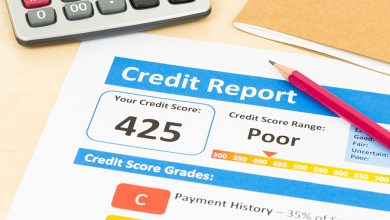


Exist charge cards for poor credit? The reply is yes. If you’ve been over thirty days late on loan, bank card, or mortgage repayments, for those who have delinquent hospital bills, or you have legal judgments against you for example supporting your children or any other lawsuits, you might have “poor credit”. There are lots of us who’ve been not able to maintain our regular bills and also have fallen behind within the last 12-24 several weeks.
You could think there aren’t any options or charge cards for poor credit. That isn’t true. Use of a charge card is nearly needed within this chronilogical age of technology we reside in. This growing requirement for customers to make charge card purchases produces the interest in increasingly more charge cards for poor credit.
You will find three kinds of charge cards that are offered for those who have poor credit. The very first type is known as a prepaid charge card. Having a prepaid credit card, you get free from it precisely what you devote. Much like a bank account, you deposit some money into a free account which is your spending limit. Whenever your prepaid charge card balance reaches $, you are able to “recharge” it by depositing more income to your account. Prepaid credit cards are ideal for budgeting, online purchases, and individuals that can’t get yourself a conventional bank account. Approval is generally guaranteed no matter your credit rating and there’s no need to handle the loan bureaus.
The 2nd kind of card you can aquire is really a guaranteed charge card. Having a guaranteed card, you deposit a money amount into a pursuit-bearing checking account. This amount becomes your collateral. You’re then issued a card along with a credit line in the quantity of your deposit. Whenever you buy things, your borrowing limit decreases, monthly obligations are calculated, and you’re sent an invoice. If one makes purchases, payments is anticipated as being a regular charge card. Guaranteed cards are wonderful simply because they function like regular charge cards enabling you to make travel arrangements plans for example hotels and car rentals that don’t accept prepaid credit cards or an atm card. Like prepaid credit cards, approval is generally guaranteed no matter your credit rating. Unlike prepaid credit cards, many guaranteed card providers report payments to credit agencies. This is often a fantastic way to establish or re-establish your creditworthiness by showing making payments in time. After several consecutive making payments in time, many guaranteed card providers increases your borrowing limit without requiring yet another deposit.
The 3rd choice is a charge card. This can be a regular bank card that doesn’t need a deposit, and your credit rating is taken into account. For those who have poor credit, the limit with an unsecured card might be less than you aren’t a good credit score, and you’ll be susceptible to slightly greater rates of interest and/or charges, however the advantage is that you won’t need to make any type of deposit in advance. Many unsecured charge cards for poor credit include credit limits as much as $1000. Making small purchases and timely monthly obligations will help you re-establish creditworthiness since many unsecured card providers report your instalments towards the credit agencies.